As the Chief of the Division of Neuropathology and the Director of the Microvascular and Molecular Neuro-Oncology Laboratory at NYU Langone Health, Dr. David Zagzag acknowledges the importance of keeping up with cutting edge research to define best practices for helping patients. This passion for working towards improved therapeutic options combined with a profound interest for continuing research within his area of expertise has defined Dr. Zagzag’s career up to this point. Dr. Zagzag was recently selected with Dr. Chandra Sen and Dr. Matija Snuderl at NYU Langone Health to take part in a four year study to discover new therapeutic targets for chordoma. Here, Dr. David Zagzag provides a quick overview of his portion of the research program as well as its relevance to the future of chordoma treatment for patients.
Dr. David Zagzag’s Role in the Chordoma Research Program
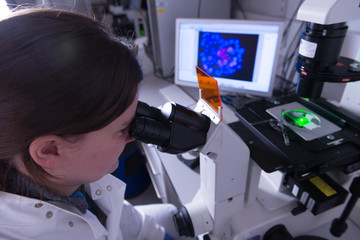
Dr. David Zagzag’s role in the research program at NYU Langone Health in partnership with the Chordoma Foundation involves studying chordoma cells within tumor tissues and grown under hypoxic conditions in the laboratory. This research is meant to ascertain therapeutic approaches that may efficiently overcome the effects low-oxygen environments have on patients’ immune response to chordoma. There are several reasons why studying the interplay of hypoxia on chordoma biology are relevant to discovering potential therapeutic approaches for patients. Researchers have hypothesized that chordoma’s tendency to not be attacked by the immune system may be linked to hypoxia, and findings produced by the study may reveal alternative treatment methods that can efficiently treat these tumors.
Dr. Zagzag’s role in the chordoma research program is preceded by over 35 years of experience in neurology and neuropathology. Over the course of his career, Dr. David Zagzag has taken part in several studies researching the relationship between immune response in brain tumors and hypoxia. Examples include the study of Major Histocompatibility Complex (MHC) in Gliomas, Induction and Assessment of Hypoxia in Glioblastoma Cells In Vitro, Vascular Endothelial Growth Factor-Induced Stromal Cell-Derived Factor-1α/CXCR4 Expression in Glioblastomas, and Expression of hypoxia-inducible factor 1α in brain tumors. This time through partnership with the Chordoma Foundation, Dr. Zagzag believes that the technical and material assistance and insights from other labs conducting chordoma research will build upon the scope of NYU Langone’s work to help define the future of chordoma treatment.
Relevance to the Future of Chordoma Treatment
One of the premier benefits of the ongoing chordoma research program is the collaboration with Dr. Sen and synergy that Dr. Matija Snuderl’s lab and Dr. Zagzag’s lab can have for informing each other’s research. Collaboration is key for conducting multi-pronged approaches to chordoma research. NYU Langone Health maintains that the goal of the program is to improve treatment options for chordoma patients through their research. Investments in comprehensive research that can clearly identify chordoma’s molecular subtypes and address innovative treatment options is crucial for these patients suffering from these tumors, as it can play a vital role in improving treatment outcomes and maintaining their quality of life.
Disclaimer: Always consult with a qualified and licensed physician. The content and information on this website is not intended to be a substitute or to replace professional medical advice for accurate diagnosis or appropriate treatment. Readers are encouraged to confirm the information contained herein with other sources, not to rely on this website for emergency medical treatment and to carefully review the information provided with their professional health care provider. In short this website is not an attempt to or should not be used to make a diagnosis, to replace or to overrule a qualified health care provider’s judgment.